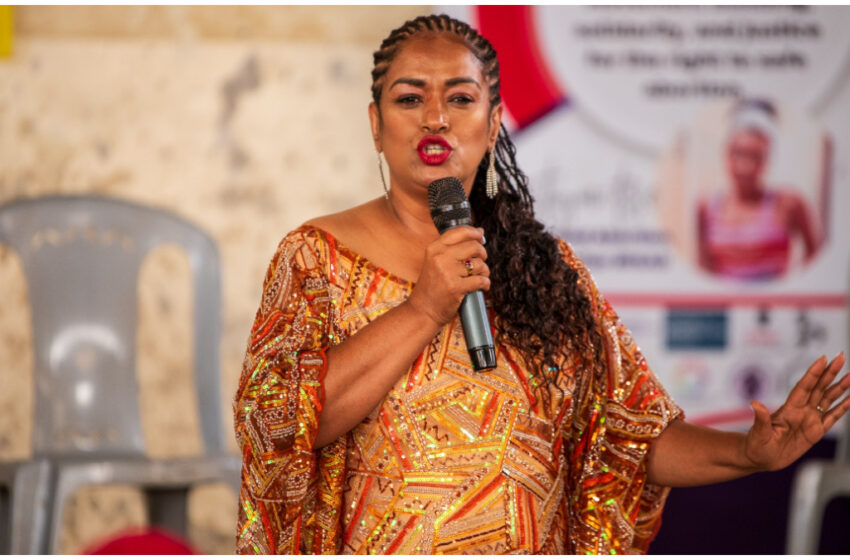
Dear Hon. Passaris,
I’ve read your Public Order (Amendment) Bill, 2025. While it contains a few good ideas, overall, I find it as pointless as a pig’s tail.
Your bill closely mirrors the controversial Assembly and Demonstration Bill, 2024, sponsored by then-MP Geoffrey Ruku, now Public Service Cabinet Secretary. His bill tried to regulate protests by imposing heavy fines or jail time on organizers; restricting protests to designated zones, effectively banning demonstrations near places like Parliament and State House; and making organizers pay for property damage and cleanup.
Ruku’s bill faced fierce opposition for undermining the right to peaceful assembly, forcing it to be quietly withdrawn after intense criticism from civil society, legal experts, and the media.
Your bill repeats many of the same restrictions: it proposes a 100-meter ban around Parliament, State House, courts, and other “protected areas,” with violators facing fines up to KSh 100,000 or three months in jail. Further, it gives the Interior Cabinet Secretary, working with county governments, power to set official protest zones.
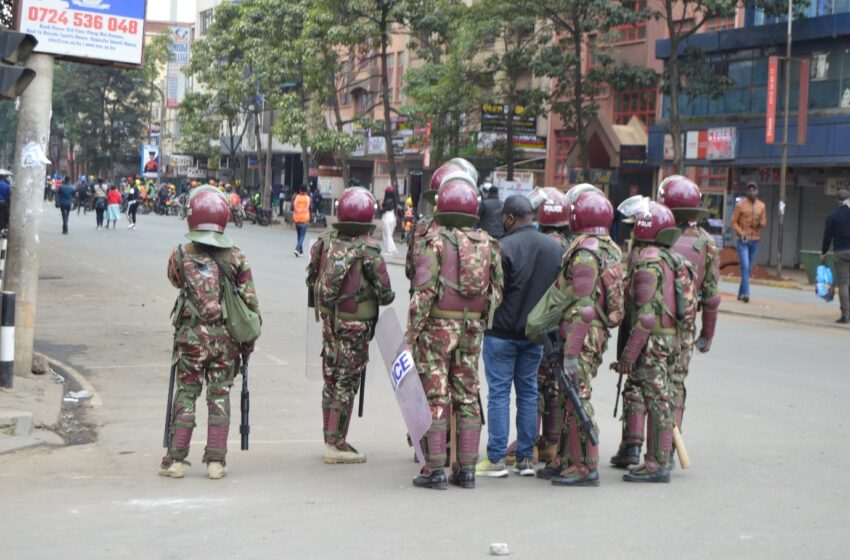
Supporters argue these measures will prevent violence and chaos seen during recent Gen Z protests. But critics rightly point out that your bill risks violating Article 37 of the Constitution by turning our democratic spaces into fenced-off zones guarded by razor wire. While framed as “targeted,” it effectively limits the right to protest.
Why do I think your bill is misguided? Because Parliament isn’t a holy sanctuary — it’s a public institution, funded by taxpayers, and its members are servants of the people. Kenyans have every right to demonstrate near Parliament when leaders fail to deliver. Trying to push protesters further away only protects politicians from the citizens they are supposed to serve.
Around the world, democracies recognize the importance of allowing protests near key government buildings. Designated zones exist near Parliament in countries like the UK (Parliament Square), the US (Capitol Grounds), India (Jantar Mantar), and South Africa (Union Buildings). These spaces balance security with the right to assemble. Kenya should do the same — not hide its leaders behind barricades.
Yes, it’s true that during the recent Gen Z protests commemorating the June 2024 anniversary, we saw property destruction and vandalism. But there are credible allegations these weren’t caused by protesters themselves, but by hired goons sent to discredit the demonstrations. Media outlets like The Nation, The Standard, and BBC Africa reported groups of stick-wielding youths attacking peaceful protesters in Nairobi. Amnesty International Kenya documented similar incidents, raising concerns these groups were organized to sow chaos.
During the June 25, 2024, I was there myself, covering the protests as a journalist. I saw peaceful demonstrations turn violent only in the late afternoon, when goons appeared. I was attacked and barely escaped with my life.
As Nairobi’s Woman Representative, your role is to advocate for women’s and marginalized groups’ rights, champion gender equality, and oversee programs like the National Government Affirmative Action Fund (NGAAF) to empower women and girls. I commend you for acknowledging the rapes reported during the June 25, 2025 protests but I also see an uncomfortable coincidence: these horrific incidents happened just as your bill was being tabled. Was the violence used to justify your bill? Or did your proposal genuinely aim to protect women from such atrocities?
You have said your bill seeks to prevent further violence, including sexual violence, during protests. If that’s truly your goal, then let’s see concrete actions: better policing standards, protection for peaceful protesters, and swift justice for rapists and hooligans not blanket laws that punish everyone and erode our freedoms.
Kenyans need laws that protect both their safety and their constitutional right to assemble, not laws that turn Nairobi into a fortress for the powerful.
Ohaga Ohaga is a Kenyan Journalist, Writer, and Communication Specialist with special interest in Media Law and Political Communication. He remains a close observer of, and participant in, Journalism and the Media.