Kenya’s 2010 Constitution was a watershed moment for press freedom. It boldly enshrined freedom of expression, access to information, and the independence of the media. And yet, 14 years later, Kenyan journalists continue to navigate a hostile regulatory terrain where outdated laws, overlapping mandates, and creeping censorship threaten to undo those gains.
Today, three state bodies jostle for control over what Kenyans read, watch, and hear: the Media Council of Kenya (MCK), the Communications Authority of Kenya (CAK), and the Kenya Film Classification Board (KFCB). In theory, each has a distinct role. In practice, they trip over one another, issuing conflicting directives, duplicating mandates, and occasionally launching turf wars that stifle rather than support media freedom.
Take the KFCB, for instance. Originally mandated to classify film and stage content, it has gradually expanded its reach sometimes brazenly into regulating online and broadcast media. At one point, it sought to monitor bloggers and digital news platforms, even suggesting that all content be submitted for vetting before publication. That’s not just bureaucratic overreach, it’s a direct threat to editorial independence.
Meanwhile, both the CAK and MCK claim oversight over broadcast content and journalistic conduct. Each operates its own complaints resolution process: the CAK has the Communications and Multimedia Appeals Tribunal, while the MCK runs the Complaints Commission. For journalists and media houses, this is more than an administrative headache it’s a legal minefield. One misstep could see you summoned by two separate authorities interpreting the same law in different ways.
This confusing regulatory overlap is not only inefficient, but dangerous. It breeds selective enforcement. It opens the door for state-aligned actors to weaponize regulations against critical media. And it allows old colonial relics laws like the Books and Newspapers Act (1930), the Official Secrets Act (1968), and the Penal Code (2014) to be quietly used to intimidate, harass, or even prosecute journalists. These outdated statutes remain on the books, rarely repealed, often exploited.
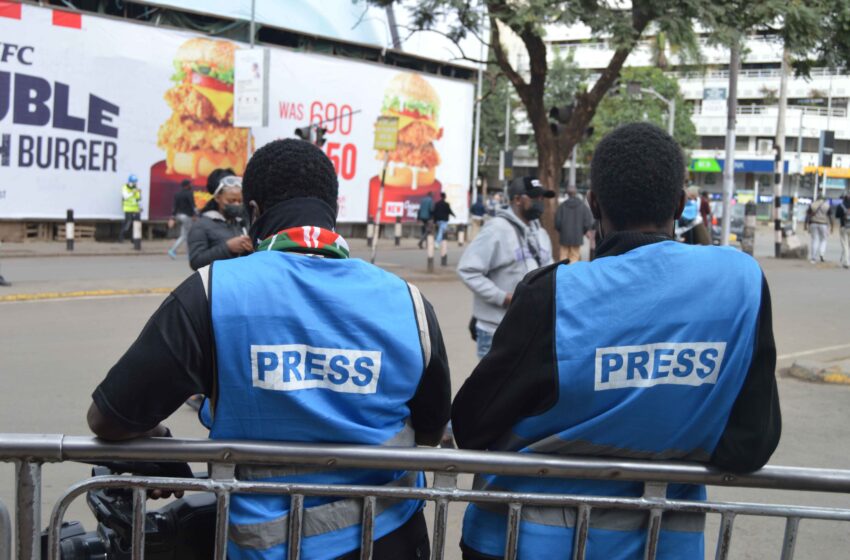
The result? A chilling effect. Investigative journalism is constrained. Editors err on the side of caution. Reporters pull their punches, especially when covering politically sensitive issues. This isn’t just theory, it’s history. We remember the 2016 abduction and torture of Standard journalist Dennis Galava after publishing a scathing editorial on government corruption. Or the 2021 assault on Royal Media Services reporter Seth Olale and his crew by police while covering protests in Nairobi. Add to that the regular threats hurled by politicians and the rampant online harassment faced by women journalists. Even where the Constitution speaks clearly, the reality on the ground whispers fear.
Kenya’s current model – part statutory regulation, part statutory self-regulation isn’t working. It’s fragmented, confusing, and overly prone to state interference. What Kenya needs now is one clear, unified statutory self-regulatory system: a media oversight body grounded in law but independent of state control. One body to set ethical standards, enforce accountability, and protect journalistic integrity without stifling dissent or innovation.
Such a model already works elsewhere. South Africa’s Press Council, for instance, is a legally recognized self-regulator that balances public accountability with media freedom. It handles complaints, promotes professionalism, and crucially operates without government interference. Kenya can do the same.
But let’s be clear: self-regulation doesn’t mean zero regulation. It means regulation by peers not police. It means upholding ethics and protecting the public interest without fear of political retaliation. It means trusting journalists to hold each other accountable, not placing that power in the hands of those they’re meant to scrutinize.
For this to happen, Parliament must act. It must harmonize the Kenya Information and Communications Act (2013), the Media Council Act (2013), and the Film and Stage Plays Act. It must repeal colonial-era laws that no longer reflect a democratic media environment. And it must do so in consultation with journalists, editors, and media consumers not just bureaucrats.
Kenya doesn’t lack media talent. It lacks regulatory coherence and political goodwill. It lacks courage to dismantle the legacy of control that still hangs over the newsroom like a shadow. The Constitution gave us the right to speak. It’s time our laws caught up.
Ohaga Ohaga is a Kenyan journalist, writer, and communication specialist with a special interest in media law and political communication. He remains a close observer of, and participant in, journalism and the media.